The heart is an exceptional body organ, however when it fails, every second matters. In emergencies like cardiac arrest, having the right tools and expertise can save lives. This is where defibrillator training programs enter play. With the rise of Automated External Defibrillators (AEDs) in public spaces, being educated to utilize these life-saving devices is a lot more critical than ever before. In Australia, awareness and access to defibrillator training are on the increase, making sure that residents are prepared for possible emergency situations.
In this thorough short article, we will certainly look into the relevance of defibrillator training courses in Australia and how they furnish people with necessary life-saving skills.

What is an Automated External Defibrillator Explained?
An Automated Outside Defibrillator (AED) is a mobile gadget made to deal with people experiencing unexpected cardiac arrest. It assesses the heart's rhythm and identifies whether a shock is required to bring back a typical heartbeat.
How Does an AED Work?
Power On: When you open the AED, it automatically powers on. Attach Pads: Place adhesive pads on the client's bare chest as instructed. Analyze Rhythm: The device evaluates the heart's rhythm. Shock Delivery: If required, it will certainly instruct you to press a button to provide a shock. CPR Instructions: After supplying a shock or if no shock is suggested, the AED supplies singing instructions for CPR.Why Are AEDs Important?
- They dramatically enhance survival rates throughout cardiac emergencies. They're straightforward and can be run by anybody after marginal training. They provide real-time comments on mouth-to-mouth resuscitation performance.
How to Make use of AED Step by Step in Australia
Using an AED may seem discouraging at first, however simplifying into actions makes it workable:
Step 1: Examine the Situation
Check whether the individual is responsive and breathing typically. If they appear unresponsive and not breathing appropriately, call emergency situation solutions immediately.
Step 2: Fetch the AED
Locate a readily available AED; many public areas in Australia have them easily accessible.
Step 3: Prepare the Patient
Lay the individual level on their back on a company surface and subject their chest.
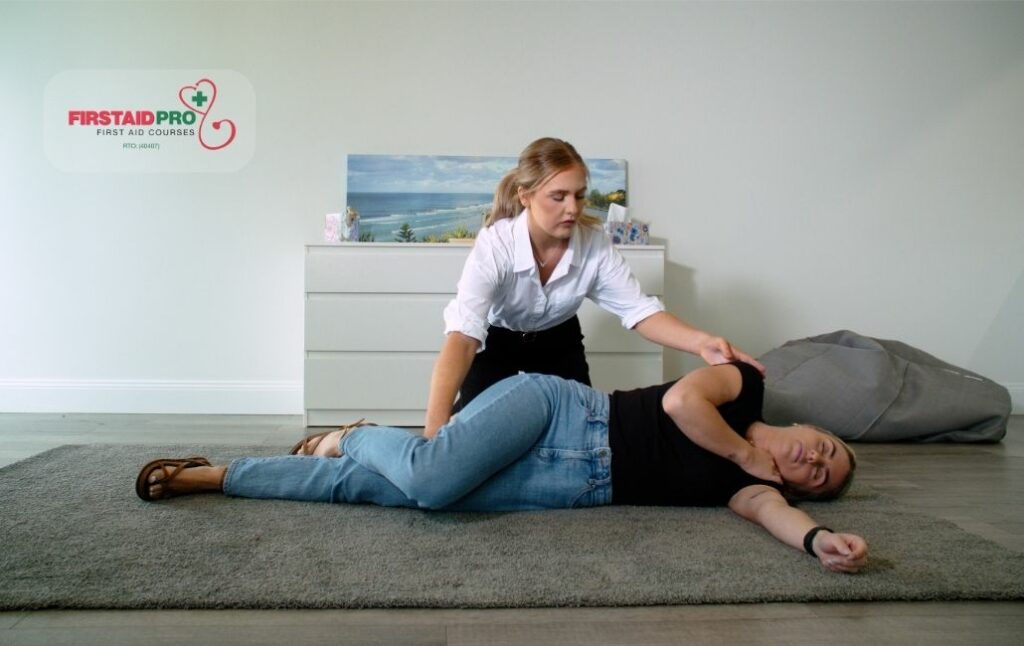
Step 4: Affix Electrodes
Follow layouts on the electrode pads for correct placement-- one on the top right chest cpr express renewal and an additional on the reduced left side.
Step 5: Enable Device to Assess Heart Rhythm
Ensure no one touches the individual while the AED assesses their heart rhythm.
Step 6: Deliver Shock if Advised
If motivated by the gadget, ensure everyone stands clear before pressing the shock button.
Step 7: Administer CPR
Regardless of whether a shock was supplied or not, start mouth-to-mouth resuscitation instantly following AED directions till emergency aid arrives.
Combining AED and CPR With Each Other in Australia
The mix of making use of an AED with Cardiopulmonary Resuscitation (CPR) substantially boosts survival rates throughout cardiac emergencies.
The Function of CPR Before Making Use Of an AED
- Performing high-grade CPR helps keep blood circulation until an AED can be applied. CPR ought to be initiated right away after asking for emergency help.
AED Use Throughout CPR
- An AED can examine heart rhythm even while mouth-to-mouth resuscitation is ongoing; nevertheless, stops should be made just when essential for analysis or shock delivery.
AED Use on Children in Australia
When it concerns children or infants experiencing heart attack, specialized procedures should be followed:
Pediatric Defibrillation Guidelines
- Use pediatric pads if offered; otherwise, adult pads can be made use of but position them besides each other. Follow particular standards for delivering shocks based on age-- children typically call for less energy than adults.
Maintaining Your AED Battery in Australia
Regular upkeep of your AED ensures it's ready when you require it most:
Battery Life Considerations
- Most batteries last in between 2 to five years depending on use and model.
Routine Checks
- Regularly check battery condition signs; replace batteries as needed based on producer recommendations.
Workplace AED Demands in Australia
Employers have particular commitments pertaining to work environment safety which includes having obtainable defibrillators:
Legislation Overview
- Under Australian law, companies must examine dangers related to heart emergencies within their work environment environment.
Implementation Strategies
Conduct risk assessments to identify optimum areas for positioning an AED. Provide appropriate training for employee concerning exactly how to use tools effectively.Public AED Locations Throughout Australia
Knowing where public access defibrillators lie can substantially influence survival prices:
|Place Type|Examples|| -------------------|-----------------------------------------|| Shopping Centres|Westfield malls throughout significant cities|| Sports Facilities|Local gyms and community sporting activities clubs|| Public Parks|Significant parks commonly have emergency treatment stations|
Finding your local public gain access to defibrillator can be accomplished via different sources including applications committed to presenting neighboring locations.
Defibrillator Training Courses Available in Australia
Investing time into discovering just how to use an AED can make all difference throughout defining moments:
Course Material Overview
Courses generally cover:
- Understanding cardiac arrest Hands-on practice with mannequins Legal facets bordering Good Samaritan laws
Contact Local Training Providers
Explore neighborhood service providers that offer cpr and first aid training near me certified programs in your area!
Understanding Defibrillator Regulations in Australia
Laws concerning defibrillators vary state by state however normally emphasize accessibility:
Key Legislative Points
- Mandatory requirements for public locations holding large gatherings Provisions making sure regular upkeep checks
Choosing The Right AED For Your Needs in Australia
With a number of designs available, picking a suitable defibrillator calls for mindful consideration:
Assess your certain requirements based on location (home vs company). Research features such as voice prompts versus visual cues. Consider convenience of use based on possible operators' experience levels.Identifying Prospective Disasters
Being prepared methods understanding feasible situations that can necessitate utilizing an AED:
Public Events Sports Activities Workplaces with High Physical DemandsHaving trained employees geared up with expertise of both mouth-to-mouth resuscitation strategies integrated with available defibrillators might save countless lives during these situations!
FAQs About Defibrillator Educating Courses
Q1: What types of people need to take defibrillator training?
Anyone can gain from discovering how to utilize an AED! This consists of moms and dads, teachers, sports instructors or simply any kind of participant of a community watching out for others' safety.
Q2: How long does a common defibrillator training program take?
Most training courses vary from two hours as much as half day sessions depending upon certification level supplied by various service providers throughout different states within Australia!
Q3: Is there a legal need for services concerning having an AED?
Yes! Several organizations are needed under blended cpr work-related health and wellness safety and security laws make certain workers have accessibility secure settings specifically those including physical activities where threats are greater!
Q4: Where can I locate training programs near me?
You can search online or call neighborhood hospitals/health companies that usually supply details concerning upcoming training sessions available nearby!
Q5: Can I use an adult-sized AED pad on children?
Yes! While pediatric pads are liked due lesser power supplied-- adult pads might still work if put appropriately without overlap!
Q6: Exactly how do I keep my office's defibrillator?
Regular checks consist of screening battery status indications alongside replacing expired parts according supplier guidelines; make certain all staff understand method access/use tools correctly too!
Conclusion
Taking positive steps today can suggest conserving a person's life tomorrow! Registering in defibrillator training courses gears up people throughout neighborhoods throughout Australia with vital skills necessary respond successfully throughout emergency situations entailing abrupt cardiac arrest scenarios - incorporating understanding using automated external devices combined with each other typical approaches like cardiopulmonary resuscitation inevitably leads greater survival rates overall!

We urge you once more-- Enroll Today: The Significance of Defibrillator Training Courses in Australia can not be overemphasized! Furnish yourself with this vital knowledge because when secs count-- the right preparation conserves lives!